Rheumatic heart disease is a condition that results from an abnormal immune response triggered by group A streptococcal infection, leading to vulvar damage. This disease is more common in childhood and prevalent in developing countries, where it is associated with poverty. Conversely, the disease is nearly absent in developed first-world countries, where preventive measures such as penicillin use and proper hygiene and clinical safety standards have been adopted due to social and economic development.
In regions where this disease is endemic, approximately 80-85% or nearly 2 billion children under the age of 15 are affected by rheumatic heart disease, as researched by the Population Reference Bureau (2008). Rheumatic heart disease is the leading cause of heart failure among young adults and children worldwide, often resulting in premature death or a disability that affects the labor and workforce of developing nations. The morbidity and mortality associated with cardiovascular diseases caused solely by rheumatic heart disease are responsible for 250,000 deaths per year. Over the next 20 years, poor access to birth control and an increase in the rural population is expected to result in a substantial increase in people at risk of developing rheumatic heart disease, as observed by the demographic trends in developing countries. Acute rheumatic fever (ARF) develops three weeks after the infection of group A Streptococci and affects the heart, brain, skin, and joints.
Half of the population suffering from ARF have cardiac inflammation that particularly involves the valvular endocardium, which may cause severe damage to valves. Rheumatic heart disease results from cumulative damage to valves because of recurrent pauci symptomatic episodes of ARF. Adverse outcomes can be prevented by adopting secondary preventive measures. Early echocardiography can make it possible to identify silent rheumatic disease.
Kumar et. al Article reviews the population-based data that involves adolescents and children suffering from this disease in low or middle-income countries such as Pakistan and observes the lapses in treatment. Particularly, the study observes the trends of the increasing prevalence of rheumatic heart disease and its risk factors in children and adolescents in different regions of Pakistan.
The study in question aimed to provide a better understanding of the prevalence of RHD in Pakistan by conducting a meta-analysis of existing data. The study found an overall prevalence rate of 0.8%, which is considered high. This highlights the need for increased awareness and preventive measures for RHD in Pakistan. RHD can be prevented through timely and appropriate management of streptococcal infections. This includes prompt diagnosis, proper treatment with antibiotics, and regular follow-up to monitor for signs of RHD.
However, the study identified lapses in the treatment of RHD in Pakistan, indicating a need for improvement in healthcare services and access to appropriate care. In conclusion, the study highlights the importance of addressing RHD as a public health concern in Pakistan. The findings suggest the need for increased awareness, prevention, and management of RHD in the country, to reduce the burden of this disease on individuals and the healthcare system.
What is rheumatic heart disease?
Rheumatic heart disease is a condition in which the heart valves have been permanently damaged by rheumatic fever. The heart valve damage may start shortly after untreated or under-treated streptococcal infection such as strep throat or scarlet fever. An immune response causes an inflammatory condition in the body which can result in on-going valve damage.
What causes rheumatic heart disease?
Rheumatic heart disease is caused by rheumatic fever, an inflammatory disease that can affect many connective tissues, especially in the heart, joints, skin, or brain. The heart valves can be inflamed and become scarred over time. This can result in narrowing or leaking of the heart valve making it harder for the heart to function normally. This may take years to develop and can result in heart failure. Rheumatic fever can occur at any age, but usually occurs in children ages 5 to 15 years old. It’s rare in developed countries like the United States.
Who is at risk for rheumatic heart disease?
Untreated or under-treated strep infections can increase the risk for rheumatic heart disease. Children who get repeated strep throat infections are at the most risk for rheumatic fever and rheumatic heart disease.
What are the symptoms of rheumatic heart disease?
A recent history of strep infection or rheumatic fever is key to the diagnosis of rheumatic heart disease. Symptoms of rheumatic fever vary and typically begin 1 to 6 weeks after a bout of strep throat. In some cases, the infection may have been too mild to have been recognized, or it may be gone by the time the person sees a doctor.
These are the most common symptoms of rheumatic fever:
- Fever
- Swollen, tender, red and extremely painful joints — particularly the knees and ankles
- Nodules (lumps under the skin)
- Red, raised, lattice-like rash, usually on the chest, back, and abdomen
- Shortness of breath and chest discomfort
- Uncontrolled movements of arms, legs, or facial muscles
- Weakness
Symptoms of rheumatic heart disease depend on the degree of valve damage and may include:
- Shortness of breath (especially with activity or when lying down)
- Chest pain
- Swelling
How is rheumatic heart disease diagnosed?
People with rheumatic heart disease will have or recently had a strep infection. A throat culture or blood test may be used to check for strep. They may have a murmur or rub that may be heard during a routine physical exam. The murmur is caused by the blood leaking around the damages valve. The rub is caused when the inflamed heart tissues move or rub against each other. Along with a complete medical history and physical exam, tests used to diagnose rheumatic heart disease may include:
- Echocardiogram (echo). This test uses sound waves to check the heart's chambers and valves. The echo sound waves create a picture on a screen as an ultrasound transducer is passed over the skin overlying the heart. Echo can show damage to the valve flaps, backflow of blood through a leaky valve, fluid around the heart, and heart enlargement. It’s the most useful test for diagnosing heart valve problems.
- Electrocardiogram (ECG). This test records the strength and timing of the electrical activity of the heart. It shows abnormal rhythms (arrhythmias or dysrhythmias) and can sometimes detect heart muscle damage. Small sensors are taped to your skin to pick up the electrical activity.
- Chest X-ray. An X-ray may be done to check your lungs and see if your heart is enlarged. Cardiac MRI. This is an imaging test that takes detailed pictures of the heart. It may be used to get a more precise look at the heart valves and heart muscle.
- Blood tests. Certain blood tests may be used to look for infection and inflammation.
How is rheumatic heart disease treated?
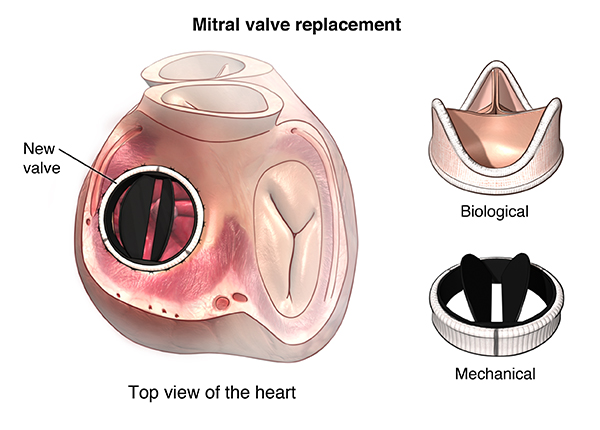
Treatment depends in large part on how much damage has been done to the heart valves. In severe cases, treatment may include surgery to replace or repair a badly damaged valve. The best treatment is to prevent rheumatic fever. Antibiotics can usually treat strep infections and keep rheumatic fever from developing. Anti-inflammatory drugs may be used to reduce inflammation and lower the risk of heart damage. Other medicines may be needed to manage heart failure. People who have had rheumatic fever are often given daily or monthly antibiotic treatments, possibly for life, to prevent recurrent infections and lower the risk of further heart damage. To reduce inflammation, aspirin, steroids, or non-steroidal medicines may be given.
What are the complications of rheumatic heart disease?
Some complications of rheumatic heart disease include:
Heart failure. This can occur from either a severely narrowed or leaking heart valve.
Bacterial endocarditis. This is an infection of the inner lining of the heart, and may occur when rheumatic fever has damaged the heart valves.
Complications of pregnancy and delivery due to heart damage. Women with rheumatic heart disease should discuss their condition with their healthcare provider before getting pregnant.
Ruptured heart valve. This is a medical emergency that must be treated with surgery to replace or repair the heart valve.
Can rheumatic heart disease be prevented?
Rheumatic heart disease can be prevented by preventing strep infections or treating them with antibiotics when they do occur. It’s important to take antibiotics as prescribed and to complete them as instructed, even if you feel better after a few days.
Living with rheumatic heart disease
You will need to have ongoing follow-ups with your healthcare provider to check the condition of your heart. Depending on the amount of heart damage, you may have some activity restrictions. Your healthcare provider may recommend that you take antibiotics for an extended period to prevent another infection of rheumatic fever.
When should I call my healthcare provider?
If your symptoms get worse or you have new symptoms, call your healthcare provider.
Key points
- Rheumatic heart disease is a condition in which the heart valves have been permanently damaged by rheumatic fever.
- Rheumatic fever is an inflammatory disease that can affect many connective tissues, especially in the heart.
- Untreated or under-treated strep infections put a person at increased risk.
- Children who get repeated strep throat infections are at the most risk for rheumatic fever and rheumatic heart disease.
- A recent history of strep infection or rheumatic fever is key to the diagnosis of rheumatic heart disease.
- Symptoms of rheumatic fever vary and typically begin 1 to 6 weeks after a bout of strep throat.
- People with rheumatic heart disease may have a murmur or rub that may be heard during a routine physical exam.
- Treatment depends on how much damage has been done to the heart valves. It may even include surgery to replace or repair a badly damaged valve.
- Since rheumatic fever is the cause of rheumatic heart disease, the best treatment is to prevent rheumatic fever by using antibiotics to treat strep infections.


0 Comments