Proteins are an essential component of a healthy diet, providing the body with the necessary amino acids needed for the growth and maintenance of tissues. They are especially important for children, adults, women, and elderly individuals as they have different nutritional requirements at various stages of life. In this article, we will discuss the importance of proteins and their sources in different age groups and lifestyles.
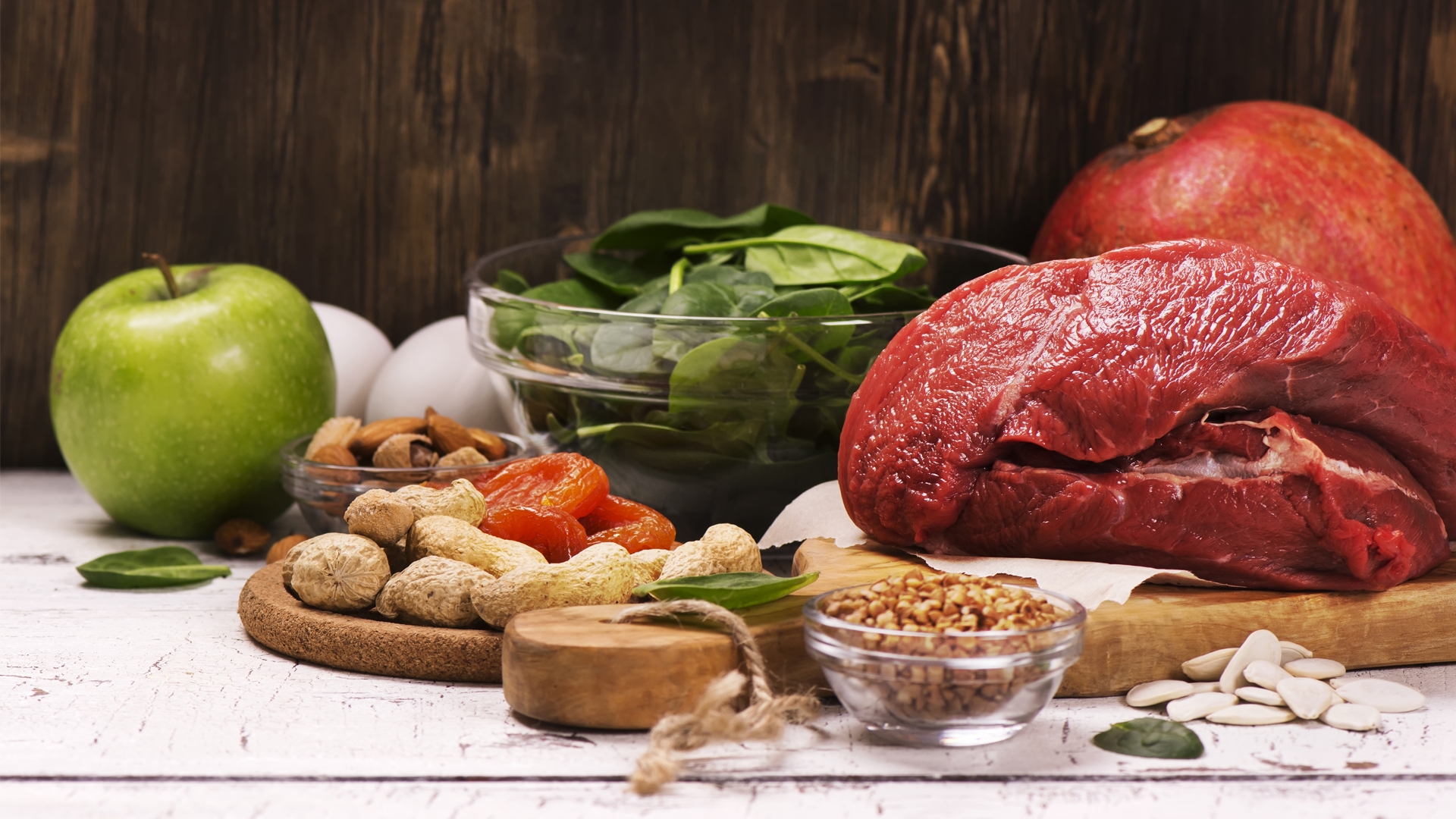
Proteins for Children:
Proteins play a crucial role in the growth and development of children, from infancy to adolescence. They aid in the formation of bones, muscles, and other tissues, and also help in the development of the immune system. It is important to provide children with a balanced diet that includes sufficient amounts of protein, along with carbohydrates, fats, vitamins, and minerals. Breast milk is an excellent source of protein for infants, while older children can consume protein-rich foods such as meat, poultry, fish, dairy, and legumes.
Proteins for Adults:
Proteins are essential for maintaining the health and well-being of adults. They provide the necessary energy required for daily activities, aid in the repair and maintenance of tissues, and also help in the production of hormones and enzymes. Adults should consume a diet that includes a variety of protein-rich foods such as lean meat, fish, eggs, dairy, legumes, and nuts. Adequate protein intake is particularly important for individuals who engage in physical activities or have high energy requirements.
Proteins for Women:
Women have specific nutritional requirements, especially during pregnancy and breastfeeding. Protein is essential for the growth and development of the fetus and also helps in the production of breast milk. Women should consume a diet that includes sufficient amounts of protein, along with other essential nutrients such as iron, calcium, and folic acid. Good sources of protein for women include lean meat, fish, eggs, dairy, legumes, and nuts.
Proteins for the Elderly:
As we age, our bodies undergo various changes that require additional nutritional support. Proteins are essential for maintaining muscle mass and bone density and also help in the repair and maintenance of tissues. Older adults should consume a diet that includes sufficient amounts of protein, along with other essential nutrients such as calcium and vitamin D. Good sources of protein for the elderly include lean meat, fish, eggs, dairy, legumes, and nuts.
Protein Energy in Ramadan:
Ramadan is a month-long religious observance that involves fasting during the day and eating at night. It is important to consume sufficient amounts of protein during this period to maintain muscle mass and energy levels. Good protein sources during Ramadan include meat, fish, eggs, dairy, legumes, and nuts. It is also important to consume sufficient amounts of carbohydrates and fats to maintain energy levels throughout the day.
New Research about Proteins:
Recent research has highlighted the importance of protein quality, rather than just quantity. High-quality protein sources such as whey protein, egg protein, and soy protein are more beneficial than low-quality protein sources such as gelatin or wheat protein. Additionally, plant-based protein sources such as legumes and nuts have been shown to have a positive impact on health outcomes, including reduced risk of chronic diseases such as diabetes and heart disease.
In conclusion, protein is an essential nutrient that plays a crucial role in maintaining the health and well-being of individuals at different stages of life. It is important to consume a balanced diet that includes sufficient amounts of protein, along with other essential nutrients. Good protein sources include lean meat, fish, eggs, dairy, legumes, and nuts. With proper nutrition, individuals can lead a healthy and active lifestyle.


0 Comments